I never thought an ordinary afternoon would become the doorway to the most terrifying truth of my life.
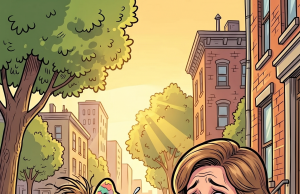
My name is Laura Mitchell. I’m thirty-four years old, and for six years I believed I was married to a good man. Daniel Carter was respected at work, praised by his family, and admired by everyone around him. Or so I believed.
Everything began the day my mother-in-law, Margaret Carter, suddenly collapsed in our living room.
We were alone. Daniel had rushed out for what he claimed was an urgent meeting. I was in the kitchen making coffee when I heard the dull sound of a body hitting the floor. I ran in and found Margaret sprawled on the carpet, gasping for air, her lips drained of color, her eyes filled with a fear I had never seen before.
My hands shook as I called emergency services. During the ride to the hospital, she gripped my hand with unexpected strength. I tried to calm her, telling her everything would be fine, but she only shook her head slowly as if she knew something I didn’t.
At the hospital, doctors moved fast. A severe heart attack, they said. I sat outside the emergency room on a stiff plastic chair, staring at the clock as the minutes crawled by. My thoughts drifted to the past: her coldness toward me, the constant tension, the uncomfortable silence whenever we were alone. I always assumed she disliked me for no clear reason. Sitting there, I wished I had understood sooner.
Hours later, I was allowed to see her.
Margaret lay surrounded by machines, her breathing shallow and uneven. I stepped closer, unsure what to say. Then she opened her eyes and looked directly at me, her gaze sharp and terrifyingly clear. With great effort, she whispered:
“Run… stay away from my son…”
My heart skipped. I tried to ask what she meant, but she shook her head slightly, as though time was slipping away. With trembling fingers, she pulled her phone from beneath the hospital sheet and pressed it into my hand.
“Don’t trust him…” she murmured. “Promise me.”
I nodded, stunned and confused, unable to process what was happening. At that exact moment, the door opened.
I turned and saw Daniel standing there, his expression calm, his eyes locked on me while I held his mother’s phone.
He approached the bed slowly. There was no panic in him, no shock. He kissed Margaret’s forehead and glanced at me briefly, as if measuring my reaction. Instinctively, I slipped the phone into my coat pocket.
Minutes later, the doctors returned.
Margaret had gone into cardiac arrest. Despite their efforts, she didn’t survive.
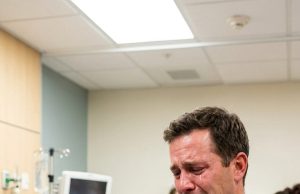
Daniel pressed his lips together but never cried. I felt a heavy knot rise in my throat that I couldn’t swallow.

We walked home in silence that night. Daniel spoke about funeral arrangements, paperwork, responsibilities. I barely heard him. Margaret’s words echoed endlessly in my head.
When Daniel finally fell asleep, I took out the phone. It was locked. On impulse, I tried Daniel’s birthdate.
It opened immediately.
What I found inside shattered my reality.
There were messages, voice recordings, photographs of financial documents. Margaret had documented everything for years. Hidden accounts. Massive debts. Illegal business dealings. Evidence she had helped conceal out of fear.
But the worst discovery wasn’t the money.
There were audio files—Daniel’s voice, cold and calculated—discussing how he planned to use my name for loans, how I would carry the legal burden if things collapsed, how disposable I truly was.
In one of her final notes, Margaret explained her fear. Daniel was desperate. He had crossed dangerous boundaries. And I was the next piece in his scheme.
I finally understood her distance toward me. It wasn’t hatred.
It was guilt.
At dawn, I acted normal. I made breakfast. I discussed the funeral. But every word Daniel spoke felt like a threat wrapped in politeness. Quietly, I gathered evidence. I sent copies to myself. I contacted a lawyer in secret.
Daniel could not suspect anything.
A few days after the funeral, he asked me to sign some “routine” documents. My stomach turned. I smiled and said I needed time to read them.
That night, I packed a suitcase.
I took only what wouldn’t raise suspicion. Before leaving, I placed a note on the table:
“I already know everything.”
I walked out without looking back.
I stayed with a friend in another city. With my lawyer’s guidance, I handed the evidence to authorities. The investigation moved quickly. There was too much proof. Too many irregular transactions.
Daniel called me repeatedly. I never answered.
For the first time, silence protected me.
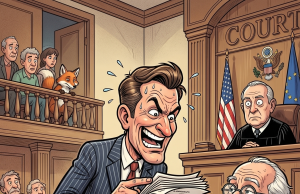
Weeks later, I learned he had been arrested on multiple financial charges. No dramatic headlines. No public spectacle. Just the quiet collapse of a man who believed he controlled every outcome.
When I was required to testify, I did so safely and legally supported. What I felt wasn’t relief—but exhaustion. The weight of having lived with a stranger for years.
Slowly, I rebuilt my life. I changed jobs. Reconnected with people I had drifted away from. Learned to trust my instincts again.
I still think about Margaret. About her final warning. She couldn’t save herself—but she saved me. Her last act was one of responsibility I will never forget.
I’m sharing this story because it’s not unique. Many people sense danger and ignore it out of fear, love, or habit.
If I learned anything, it’s this: listening to your intuition and protecting yourself isn’t betrayal.