My son once called me with excitement in his voice.
“See you at Christmas, Mom. I’ve already arranged everything.”
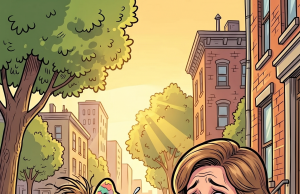
I traveled across half the country with a suitcase in one hand and hope in the other. But when I reached their door, they wouldn’t let me in. From behind the closed door, I heard his shaky voice say, “My wife doesn’t want a stranger at Christmas dinner.” The lock clicked. The door stayed shut.
I didn’t cry then. I left quietly. Three days later, when my phone wouldn’t stop ringing and their messages turned desperate, I understood that Christmas wasn’t over yet.
My name is Margaret Foster. In early December, my son Daniel called after months of distant, polite conversations. Since his marriage to Emily, our relationship had thinned to formal calls and careful words. Still, his tone that day sounded lighter than it had in years.
“Come a few days early,” he said. “We’ll have time together.”
I hadn’t seen him in two years. I let myself believe this invitation meant reconciliation.
I traveled from Galicia to Valencia, surrounded by families singing carols and sharing food. I imagined sitting at his table, hearing him call me “Mom” the way he used to.
I arrived on the afternoon of the 23rd. His building was modern and bright. I fixed my coat, smiled, and knocked.
Nothing.
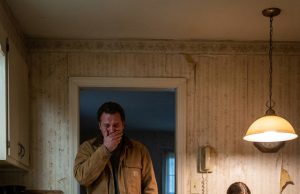
I heard him on the other side of the door. His breathing. Then his voice—low, apologetic.
“Mom… Emily isn’t comfortable. She says she doesn’t want a stranger at Christmas dinner.”
The hallway felt suddenly too narrow.
“I’ve been traveling all day,” I whispered.
“I’ll book you a hotel,” he replied. “Just for these days.”
The door never opened.
I didn’t argue. I picked up my suitcase and left. Outside, the street smelled of oranges and warm meals from other people’s homes.
I spent Christmas Eve alone in a small guesthouse near the station, listening to laughter through thin walls. I thought that was the end of it.
I was wrong.
On the 26th, I returned home. In my mailbox were letters from the bank and the notary.

After my husband died years earlier, I had quietly managed a coastal property near Ribeira, inherited from my parents. Daniel knew about it, but had never shown interest.
That day, the notary called.
“Mrs. Foster, your son attempted to use your property as collateral for a loan. The request was denied—you are listed as the sole owner.”
I understood everything.
Three days later, my phone rang nonstop. Daniel. Emily. Messages followed.
“Mom, please call.”
“We didn’t know the house was only in your name.”
I finally replied on the fourth day.
Daniel cried when I answered. He spoke about debt, pressure, stress. About how Emily believed families should solve their own problems.
“I thought you’d understand,” he said.
“I do,” I replied calmly. “More than you realize.”
We met weeks later at a café. Alone. No hugs.
“I won’t guarantee anything,” I told him. “Help only comes with respect—not closed doors.”
He lowered his eyes.
“I thought you’d always be there.”
“I was,” I said. “Even when you didn’t open the door.”
That Christmas taught me something quiet but lasting:
Being a mother doesn’t mean erasing yourself for others’ comfort.
And sometimes, the greatest gift is learning not to knock on doors that have already been closed.